
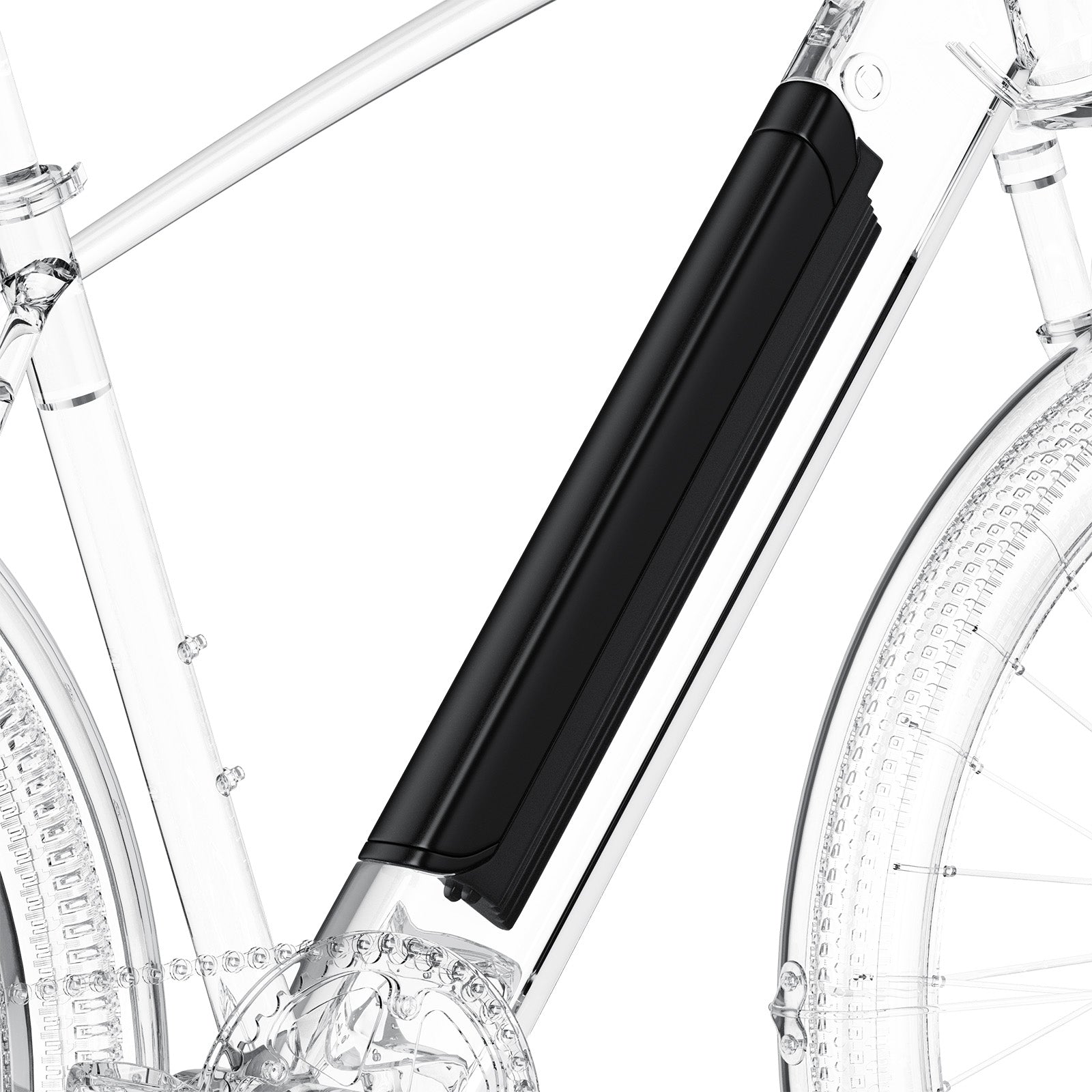
How to Extend Your E-Bike Battery Life: 10 Proven Tips
An e-bike battery is one of the most valuable components of your electric bike. Proper battery care not only helps maintain performance and riding range but can also significantly extend the battery's lifespan, saving you money in the long run.
Most modern e-bike batteries are designed to last for several years, but their longevity depends heavily on how they are used, charged, and stored. Whether you ride daily for commuting or enjoy weekend adventures, following a few simple maintenance practices can help keep your battery in excellent condition.
In this guide, we'll share 10 proven tips to help extend your e-bike battery life and maximize your riding experience.
1. Avoid Fully Draining the Battery
One of the most common mistakes e-bike owners make is regularly riding until the battery reaches 0%.
Lithium-ion batteries perform best when they are kept within a moderate charge range. Frequently discharging the battery completely can place unnecessary stress on the cells and gradually reduce overall battery capacity.
Best practice:
-
Recharge your battery when it reaches around 20%–30%.
-
Avoid making complete discharge cycles a habit.
-
Use battery assistance wisely to prevent excessive drain.
2. Don't Keep the Battery at 100% for Long Periods
While it's perfectly fine to charge your battery to 100% before a long ride, storing it fully charged for days or weeks can accelerate battery aging.
High voltage levels place additional stress on lithium-ion cells, especially during long-term storage.
Best practice:
-
Charge to 100% only when needed.
-
For everyday use, keeping the battery between 80% and 90% can help reduce wear.
-
If you won't be riding for several days, avoid leaving the battery fully charged.
3. Use the Original Charger
Using an incompatible or low-quality charger may negatively affect battery performance and safety.
Manufacturers design chargers specifically for their battery systems to ensure proper voltage, current, and charging protection.
Best practice:
-
Always use the charger supplied with your e-bike.
-
Replace damaged chargers immediately.
-
Avoid cheap third-party chargers unless approved by the manufacturer.
4. Store Your Battery at the Right Temperature
Temperature plays a major role in battery health.
Extreme heat can accelerate battery degradation, while extremely cold conditions can temporarily reduce performance and riding range.
Ideal storage temperature:
-
Between 10°C and 25°C (50°F–77°F)
Avoid:
-
Leaving the battery inside a hot car.
-
Storing it in direct sunlight.
-
Exposing it to freezing temperatures for extended periods.
5. Remove the Battery During Long-Term Storage
If you won't be riding your e-bike for several weeks or months, it's best to remove the battery from the bike and store it separately.
Long periods of inactivity can cause batteries to slowly self-discharge.
Best practice:
-
Store indoors in a cool, dry location.
-
Keep charge levels between 40% and 60%.
-
Check the battery every month and recharge if necessary.
6. Avoid Charging Immediately After Riding
After a long ride, especially during hot weather or hill climbing, the battery may become warm.
Charging a battery while it is still hot can increase internal stress and reduce long-term lifespan.
Best practice:
-
Let the battery cool for 30–60 minutes before charging.
-
Similarly, allow a cold battery to warm up to room temperature before charging.
7. Keep Battery Contacts Clean
Dirty or corroded battery contacts can interfere with power delivery and charging efficiency.
Dust, moisture, and road debris can gradually accumulate around connection points.
Best practice:
-
Inspect contacts regularly.
-
Wipe them gently with a clean, dry cloth.
-
Avoid using excessive water when cleaning your e-bike.
8. Ride Smoothly and Efficiently
Your riding habits directly affect battery performance.
Aggressive acceleration, constant high-speed riding, and steep hill climbing place greater demands on the battery.
Ways to improve efficiency:
-
Accelerate gradually.
-
Use pedal assist effectively.
-
Shift gears appropriately.
-
Maintain a steady riding pace whenever possible.
Efficient riding can improve range and reduce strain on battery cells.
9. Protect the Battery During Winter
Cold weather is one of the biggest challenges for e-bike batteries.
While low temperatures don't permanently damage healthy batteries, they can temporarily reduce capacity and riding range.
In winter, riders may notice up to 20–40% less range compared to warmer seasons.
Winter battery tips:
-
Store the battery indoors overnight.
-
Install the battery just before riding.
-
Avoid charging a frozen battery.
-
Allow the battery to warm to room temperature before charging.
10. Follow the Manufacturer's Maintenance Recommendations
Every battery system has unique specifications and maintenance requirements.
Reading your owner's manual can help you understand:
-
Recommended charging practices
-
Storage guidelines
-
Operating temperature ranges
-
Safety precautions
Following manufacturer recommendations is one of the simplest ways to maximize battery life.
How Long Should an E-Bike Battery Last?
Most modern lithium-ion e-bike batteries are designed to deliver approximately 500–1,000 full charge cycles.
For the average rider, this typically translates to:
-
3–5 years of regular use
-
Up to 5–7 years with proper maintenance
Even after several years, many batteries continue to perform well, although maximum range may gradually decrease over time.
Signs Your E-Bike Battery May Need Replacement
Over time, all rechargeable batteries experience natural wear.
Common signs include:
-
Noticeably reduced riding range
-
Longer charging times
-
Unexpected power loss
-
Difficulty holding a charge
-
Excessive heat during charging or riding
If you notice these symptoms, consult your e-bike manufacturer or a qualified technician for evaluation.
Final Thoughts
Taking care of your e-bike battery doesn't require complicated maintenance routines. Small habits such as avoiding full discharges, storing the battery properly, using the correct charger, and protecting it from extreme temperatures can make a significant difference over time.
By following these 10 proven tips, you can maximize battery performance, extend battery lifespan, and enjoy more reliable rides for years to come.
A well-maintained battery means more miles, better efficiency, and a better overall e-bike experience.
Share:
Introducing the New QEKUD 26-B1
Best Affordable Electric Bike in 2026: What to Look for Before You Buy