


In my three decades of engineering, I’ve learned that "convenience" must always be balanced with "compliance." As more commuters switch to electric bicycles (e-bikes) for their cost-efficiency and ease of use, the most frequent question I encounter is: "Do I need a license to ride one?"
Technically, for the majority of U.S. riders, the answer is no—provided your vehicle adheres to specific engineering constraints. However, once you cross certain power and speed thresholds, the law shifts from "bicycle" to "motor vehicle" territory.
The Federal Framework and the Three-Class System
From a regulatory standpoint, the U.S. federal government defines a "low-speed electric bicycle" as a two- or three-wheeled vehicle with fully playable pedals and an electric motor of less than 750 watts (1 hp), with a maximum powered speed of 20 mph.
To standardize this, the industry utilizes a Three-Class System. Understanding which "Class" your bike’s controller is programmed for is vital for legal operation.
| Class | Technical Description | Max Assisted Speed | License Required? |
| Class 1 | Pedal-assist only (Motor engages only when pedaling). | 20 mph | Generally No |
| Class 2 | Throttle-actuated (Motor works without pedaling). | 20 mph | Generally No |
| Class 3 | Pedal-assist only; higher performance output. | 28 mph | State-dependent (Often requires 16+) |
State-Specific Nuances
While federal law sets the manufacturing standards, individual states govern the operation on public roads. Most states treat Class 1 and 2 bikes as standard bicycles. However, Class 3 bikes—due to their higher kinetic energy at 28 mph—often face stricter scrutiny.
In states like Massachusetts, Alaska, New Mexico, and Louisiana, the legal definition may lean toward "mopeds," which might require a standard driver’s license or even a Class M (motorcycle) endorsement. Always verify your local DMV guidelines before commuting.
Engineering Factors That Impact Legality
As an engineer, I advise riders to look at four critical technical factors that determine whether a bike is "street legal":
-
Motor Power Rating: If your motor exceeds a 750W nominal rating, you are likely operating a moped in the eyes of the law, which necessitates registration and licensing.
-
Control Logic (Pedal vs. Throttle): Pure throttle bikes are often regulated more strictly than pedal-assist (PAS) bikes. PAS is generally seen as an "augmented" bicycle, whereas a throttle is seen as "motorized."
-
Unauthorized Modifications: This is where many riders get into trouble. "Unlocking" a speed controller or over-volting a battery to exceed 28 mph reclassifies the vehicle. From a safety and liability standpoint, an illegal modification can void insurance and lead to heavy fines or impoundment.
-
Safety Certification: Look for UL 2849 certification. This isn't just about the law; it’s about electrical safety and fire prevention in the battery and charging systems.
Engineering Spotlight: The QEKUD73 E-Bike
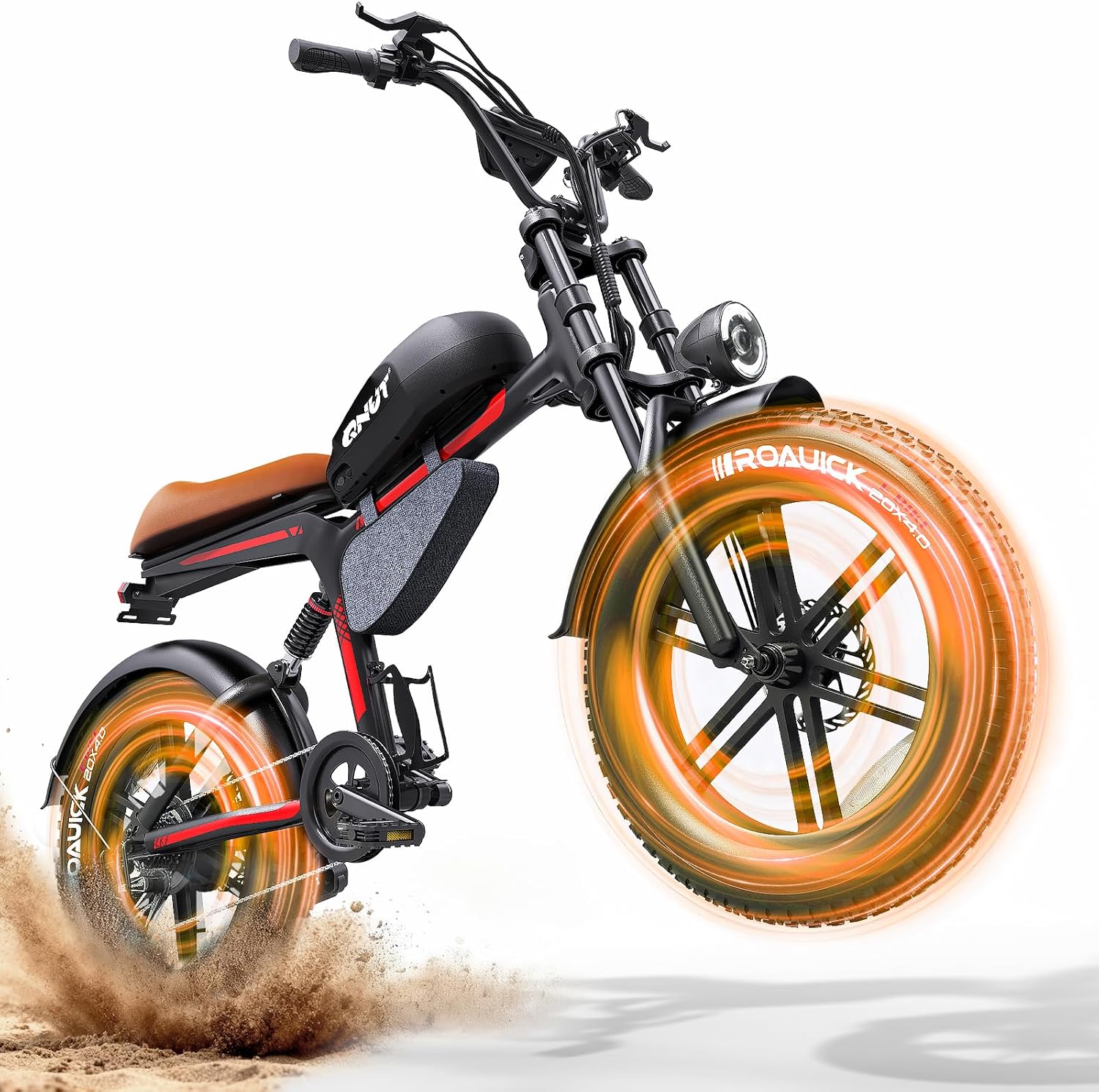
If you are looking for a build that balances performance with high-end materials, the QEKUD73 is an excellent example of modern e-bike engineering.
-
Materials Science: It utilizes a carbon fiber integrated frame. At 78 lbs, it is remarkably rigid and lightweight for its power class.
-
Power System: Equipped with a UL-certified 48V 18Ah battery, it provides a range of up to 70 miles.
-
Performance: The 1400W peak power motor combined with a torque sensor (which I highly recommend for a natural ride feel) allows for a top speed of 28 mph—placing it firmly in the high-performance Class 3 category.
-
Durability: An IP65 water-resistance rating ensures the electrical components are protected against urban environmental factors.
Frequently Asked Questions (The Engineer’s View)
-
Can I ride without a license? In most states, for Class 1 and 2, yes. For Class 3 or high-wattage builds, check local laws as they may require a license.
-
Is it "Street Legal"? Yes, if it stays within power/speed limits. I always recommend using integrated lighting for night riding and adhering to all "Rules of the Road."
-
What are the risks of an "illegal" e-bike? Beyond the $1,000+ fines, you face significant legal liability if you are involved in an accident on a vehicle that is not classified correctly.
Final Thoughts
Electric bikes are a marvel of modern efficiency, offering an incredible alternative to fossil-fuel transport. However, as with any machine, safety and legal compliance are paramount. Wear a helmet, respect the speed limits of your bike's classification, and choose models that meet rigorous safety standards (like UL certification).
By staying within the legal parameters of your state, you ensure that your commute remains efficient, enjoyable, and—most importantly—legal.
Share:
"Taming the 1500W Beast: A Professional Engineer’s Guide to E-Bike Chain Maintenance"
Electric bike suddenly malfunctioning? Troubleshoot motor and battery issues like a pro