


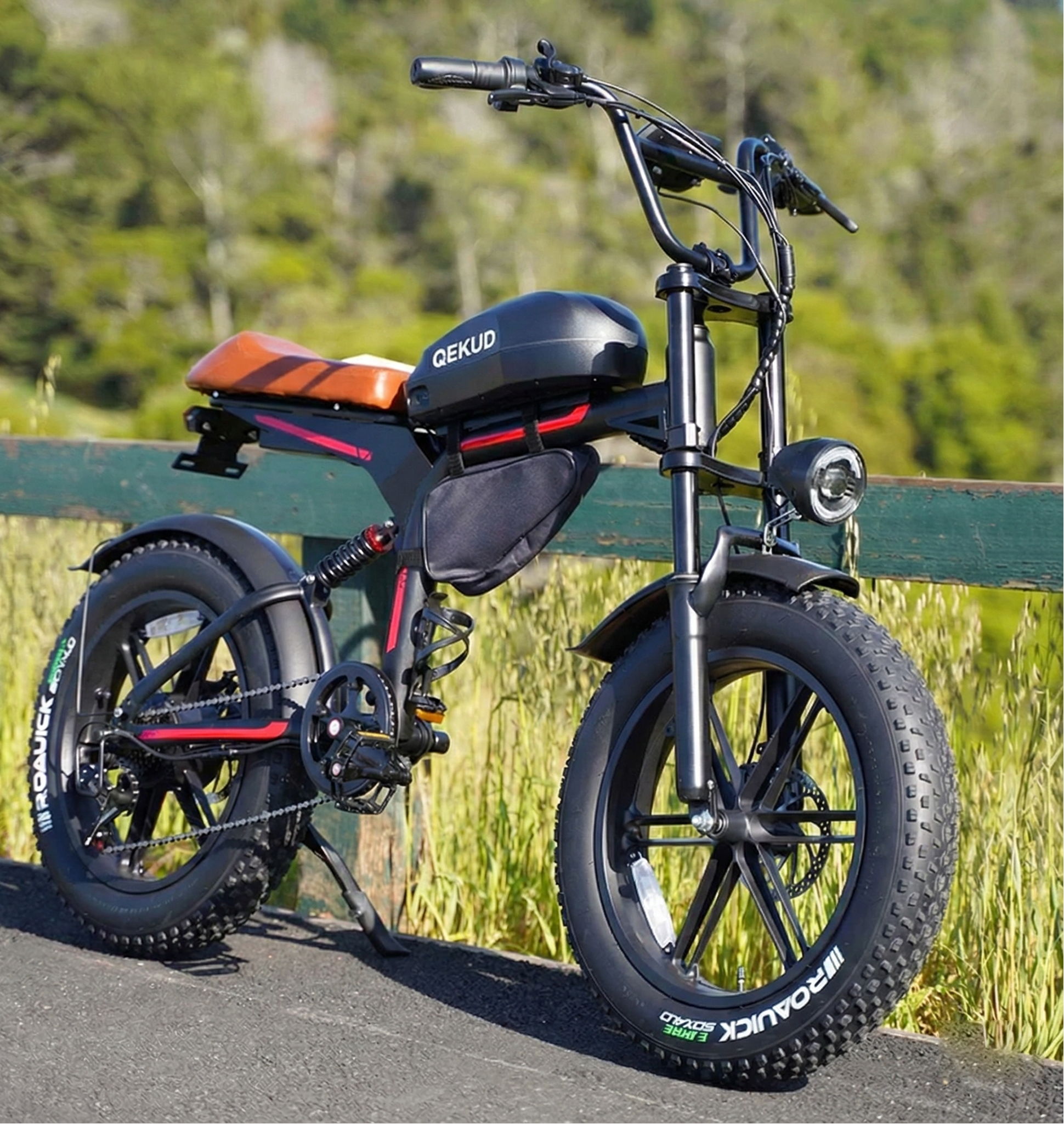
The Veteran’s Guide to a Perfect Day: Fat-Tire E-Biking the Backwoods
With the unstoppable traction of oversized rubber and the relentless range of an electric motor, fat-tire e-bikes have become the ultimate tool for deep-woods exploration. Whether you’re grinding through soft loam, loose shale, or technical climbs, these machines let you focus on the scenery rather than the fatigue.
For the seasoned rider with decades in the saddle, a successful day trip isn't just about the ride—it’s about the "Pre-Flight" details, risk mitigation, and maximizing the experience. In the world of elite riding, every gear choice and route pivot is rooted in a deep respect for both the machine and the wilderness.
I. The Pre-Flight: Dialing In Your Rig and Gear
Forest trails are unpredictable. For a veteran rider, reliability is the baseline. If your gear isn't dialed, your trip is over before it begins.
1. The Bike: Motor, Battery, and PSI
Fat-tire e-bikes live and die by their tires and power delivery.
-
Pressure is Everything: Don’t just "eye-ball" it. For soft loam or sandy sections (common in the Northeast), drop to 8–12 PSI to float over the terrain. On hardpack or gravel, pump up to 18–22 PSI for efficiency. Check your sidewalls for weeping or abrasions and clear any debris from the treads.
-
The Spares: Carry a heavy-duty tube specific to your size (26x4.0 or 27.5x4.5), a set of sturdy tire levers, and a CO2 inflator. Hand-pumping a fat tire in the woods is a cardio workout you don’t want.
-
The Power Plant: Check your Battery Management System (BMS) for any error codes. Apply a bit of dielectric grease to the terminals to keep moisture at bay. Most US forest trails are restricted to Class 1 e-bikes (max 20 mph pedal-assist); ensure your settings are compliant. Remember: climbing and headwinds can eat 30-50% more juice than flat pavement. Always keep a 40% "get home" reserve.
-
Mechanicals: Inspect your brake pads (replace if under 1mm). Ensure your chain is lubed with a dry/dust-resistant wax and that your derailleur is indexing perfectly.
2. Protection and Apparel: The "Three-Layer" Strategy
-
The Brain Bucket: Use an ASTM F1952-certified mountain bike helmet. It offers more coverage for the back of the head and temples—essential for rogue branches or technical spills.
-
Hands: Full-finger or high-quality gel-padded leather gloves are a must to dampen "trail chatter" and provide grip when your hands get sweaty.
-
The Layering System: US forest temps can swing 20°F in an hour. Start with a Merino wool base layer (moisture-wicking and odor-resistant), add a light fleece mid-layer, and pack a Gore-Tex shell for wind and rain. Avoid cotton at all costs; if it gets wet, you risk hypothermia.
-
The Essentials: Pack a 2L hydration bladder with electrolytes, high-density snacks (gels, nuts, salt tabs), a multi-tool with a chain breaker, and a trauma-ready first aid kit (tourniquet, QuikClot, antihistamines).
II. Route Planning: Balancing Stoke with Safety
A pro rider doesn't just look for "hard" trails; they look for high-quality flow and manageable risk.
1. Know Your Land Use Rules
Stick to trails explicitly marked for Class 1/2 e-MTBs. Most National Parks (Yellowstone, Smokies) have strict rules. Use Trailforks or MTB Project to verify access. For a solid day trip, aim for 20–40 miles with under 2,000 feet of vertical. This is the "sweet spot" that allows for sightseeing without draining the battery or your legs.
2. Classic American Fat-Tire Destinations
-
Wyoming’s Beartooth Pass Area: Massive gravel climbs and alpine vistas. The fat tires provide the stability needed for the high-altitude scree. Watch for bighorn sheep and keep your bear spray accessible.
-
The Glacier National Park Fringe (Montana): The "Going-to-the-Sun" access roads and adjacent USFS trails offer loamy forest paths. These are well-maintained with clear markers—perfect for an "entry-level" epic.
-
Note on the JMT: While the John Muir Trail (California) is legendary, remember that much of it is designated Wilderness where bikes are prohibited. Veterans look for the USFS-managed fire roads and connector trails on the outskirts where e-bikes are welcomed and the views are just as stunning.
3. Contingency Planning
Always have a downloaded offline map. Cell service is a luxury you won’t have in the canyons. Leave a "flight plan" with a friend: where you’re parking, your intended loop, and your "deadman" time (when they should call Search and Rescue).
III. On the Trail: Mastering the Flow
1. Manage the Assist
Don't ride in "Turbo" all day. Use Eco or Tour mode on the flats to stay connected to the bike’s mechanical feel. Save the high-boost modes for steep pitches or sandy washes. Stop every 60 minutes to stretch, hydrate, and check your hardware.
2. Trail Etiquette and Safety
"Pre-ride, Re-ride, Freeride." Scan 15–20 feet ahead for roots and "baby head" rocks. If you hit a water crossing, keep a steady cadence and avoid submerging the motor. Yield to everyone: hikers and horses have the right of way. A friendly "e-bike coming through" goes a long way in keeping trails open for our community.
3. Respect the Wildlife
In the American West, you are part of the food chain. If you’re in Grizzly country, don’t ride in silence—clack your pedals or talk occasionally. Carry bear spray on your person (not your bike), as you may be separated from your rig in a fall.
IV. Post-Ride: The Recovery and the "Trail Tax"
The ride isn't over until the bike is ready for the next one.
-
The Clean-Down: Use low-pressure water to knock off the mud. High-pressure hoses can blast water past motor seals and pivot bearings. Wipe down the stanchions and re-lube the chain.
-
The Log: Sync your ride to Strava or MTB Project. Note any trail obstructions (downed trees, washouts) to help the local trail crew.
-
The Community: Veteran riders give back. Whether it’s donating to the local MTB association or participating in a trail work day, it’s the best way to ensure these woods stay rideable for the next generation.
The Bottom Line: Fat-tire e-biking isn't about conquering the mountain—it’s about moving through it with precision and grace. Prepare hard, ride smart, and leave no trace.
Share:
That Clicking Sound on Your E-Bike: What Is Your Bike Trying to Tell You?
E-bike Range Guide: The Difference Between Watt-hours (Wh) and Amp-hours (Ah)